 Health Insurance New options are designed to make health insurance more affordable for small businesses. Articles, tips, and information about all types of insurance coverage including auto, health, life, home, business, pet, and more... In some states, businesses are required to provide health insurance if they employ more than five workers. No, but it's not easy to find good small business health insurance. Whether for leisure or business travel, travel insurance is critical in today's uncertain world to protect your travel investment, health, belongings and vacation memories. As someone whose livelihood depends on your health and ability to run your business, disability insurance is essential.
Senate that would let small businesses buy health insurance policies exempt from state coverage requirements. Senate Bill 1955 would allow businesses belonging to a trade or professional association to band together across state lines to buy health insurance. Our trusted vendors provide excellent small business group health insurance both in price and in service and management. Small business health insurance can often times be expensive and as an employee benefit, difficult to manage. Individual California health insurance plans, family health plans, small business group health insurance brokers, term life rates, long... Health Coverage Providing health insurance coverage can be a challenge for small businesses in today's competitive environment.
Commonly needed insurance areas for home-based businesses include business property, professional liability, personal and advertising injury, loss of business data, crime and theft, and disability. Property Insurance: Property insurance protects the building, office machines, office furniture, inventory (maybe) and other property owned by a business. general liability, property, mortgage insurance, business continuation, etc.) I can make a couple of recommendations. This policy covers building and personal property on a no-coinsurance, replacement cost basis and automatically includes business income and extra expense coverage.
Use a broad form of business property insurance. Our packaged policies or tailored plans provide a full range of property and liability insurance tailored to protect your business. When purchasing business insurance, include liability coverage to financially protect the business and yourself from damage or injury to customers, workers, or property. You may well need additional forms of business insurance, such as business and general liability, property, workers' compensation and so on. It is a business insurance policy that protects the employer in case of any loss of money or property due to employee dishonesty. When a hurricane or earthquake puts your business out of commission for days
your property insurance has got it covered. Every year hundreds of businesses that carry adequate insurance against direct property losses fail because they are not insured for indirect losses. Loss of business income: Traditional business insurance usually requires direct physical damage or loss to tangible property. Commercial Insurance Take the pain out of property & casualty and workers' compensation with commercial insurance designed for small businesses.
General Liability Many business owners buy general liability or umbrella liability insurance to cover legal hassles due to claims of negligence. Internet Business Insurance Web-based businesses may wish to look into specialized insurance that covers liability for damage done by hackers and viruses. General liability insurance is as close to a must have as you may get when operating a business. Even if product liability insurance is expensive, businesses should have it. Product liability insurance is another especially important type of insurance if a business is going to sell manufatured or assembled products. Besides general liability insurance, business insurance comes in more narrowly-defined versions so businesses can get coverage for specific risks.
Small Business page provides guides and interactive tools for small group medical, worker's compensation and liability insurance, including instant quotes. Product Liability Insurance This insurance covers the business in the event that causes damage in some way as a result of a faulty product. Unitrin Business Insurance is a Dallas-based unit primarily selling commercial automobile, general liability, commercial fire, commercial multi-peril and workers compensation insurance. The BIT is the host of an informative Web site highlighting information on both business and professional liability insurance. You can protect these valuable assets with various types of business liability insurance.
Health Insurance New Options Make Health Insurance Affordable For Small Businesses
Labels: health insurance cost, health insurance for small business, health insurance for the self employed, health insurances |
Health Insurance And Insurance Brokers
Labels: health insurance broker, health insurance companies, health insurance company, health insurance comparison | If you are in the market to purchase your own health insurance coverage you can save yourself precious time and money by shopping and comparing policies right online. Sites dedicated to giving you quotes on various types of insurance make it very easy for you to get an idea of what your coverage and costs will be. However, please be forewarned that there are some pitfalls in using an insurance broker as I discovered within the past year.
As a self employed person, I carry my own health and life insurance for my family. When making the move from New Jersey to North Carolina in 2004 I knew two things about our health insurance:
1. I would have to shop for a health insurance provider covering North Carolina.
2. Rates would be cheaper than in New Jersey, with costs being about half of what I had been paying and with slight better coverage.
Several weeks before we moved I contacted a well known internet insurance broker and received quotes. We selected one company and received the paperwork from the broker about ten days before our move. Quite frankly, I wish I had started the process a little earlier as all of our free time was dedicated toward preparing and making the move. So, I ended up packing the paperwork with my personal stuff and was only able to fill it out and submit it one week after our arrival in North Carolina. Dealing with the online insurance broker was a simple task, but I soon discovered that they were an extra step in the application process, one that only slowed down our approval.
Once the paperwork was received by the broker, they acknowledged the same via email and mentioned that they would review our package before forwarding it to the health insurance company.
Over the next couple of weeks we received messages from the insurance broker stating the following:
1. We are in the process of reviewing your application.
2. We have sent your application off to the insurance company.
3. The insurance company has your application and will be reviewing it in about one week.
4. The insurance company expects a delay in reviewing your application due to the high volume of applications received.
5. Please do not contact the insurance company directly; we will keep you posted as to the status of your application. Yeah, right.
Originally, we were assured by the insurance broker that the health insurance company would review and approve our application within two weeks. Follow up phone calls by us to the broker along with several exchanges of emails revealed that this was not going to happen. In addition, when we contacted the health insurance company directly – at the encouragement of the broker – the health insurance company had difficulty finding our application. Within a few days the application was found sitting in another department; our contact at the health insurance company blamed the broker for sending the information to the wrong address.
As it turned out, the original insurance quote we received online was off by just over 20%. Once the health insurance company determined that certain pre existing conditions needed to be factored in our rates rose accordingly. Of course, when working with the internet broker we knew that the rate quoted wasn’t ‘absolute’ but the big jump was still a bitter pill to swallow.
Among our thoughts at that point in the process were:
1. Had we known ahead of time that our “final rate” would be so high, we would have shopped around some more.
2. Because of the delays and the passage of time, we needed to complete the application process as our coverage with the NJ health provider would need to be canceled, preferably by the end of the year.
By the middle of December, a full ten weeks after we submitted our paperwork, we received official notification that our application was approved and that we were covered. During the last couple of weeks of the lengthy application process we contacted the health insurance company directly several times to learn what the status of our application was. At no time during the process were we assured that we would receive approval; essentially we were told that coverage would begin pending approval.
In conclusion, I offer the following recommendations for shopping for health insurance:
1. Comparison shop online. Get quotes through the online brokers to get a general idea of what your costs will be. If you have pre-existing conditions, the prices quoted will not be reflected in your quote.
2. Narrow down the list of companies quoted to three and then contact them directly. Bypass the broker as they are an unnecessary additional step in what certainly is not a quick approval process.
3. If you need insurance by a particular date, apply well in advance to allow for delays, for misplaced paperwork, changes in your application, etc. Our insurance coverage was approved effective a specific date, but we were able to move it to another date to coincide with the dropping of our NJ health care provider.
In all, the experience was wearisome at times and a real eye opener. I know you see ads all the time for online insurance quotes. I am not saying to avoid the sites, but please consider what we went through before using an online broker exclusively.
Health Insurance: How We Can Make It Better
Labels: medical health insurance, no health insurance, online health insurance, private health insurance, self employed health insurance, temporary health insurance, united health insurance |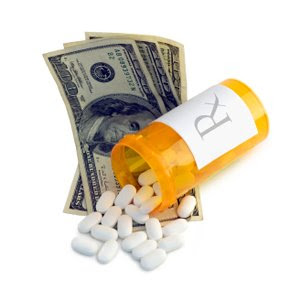 You almost have to take out a loan to pay for health insurance these days. Even if your company pays for half or more of your premium, a premium for a family still runs at least two to three hundred dollars a month. This is ridiculous, especially for people that do not visit the doctor very often. However, everyone is worried that if they do not have health insurance, then they will need it and they will not be able to get the help that they need, or they will get substandard healthcare because they do not have insurance. Many factors have surfaced over the years that cause health insurance to continue to stay on the rise.
One of the major problems that cause health insurance to continue to rise is the amount of frivolous malpractice lawsuits that are filed against doctors every year. Even if a doctor does not do anything wrong, they still have to pay the court costs, which usually are paid for out of their malpractice insurance. And if a doctor does make a mistake they can pay ten’s of millions of dollars in damages. All of this causes doctor’s to pay more for malpractice insurance, which translates into higher costs to their patient’s so they can continue to survive. One of the best ideas I have heard to help combat this problem, is legislature that puts a cap on monetary awards that are awarded for punitive damages in these lawsuits. Anything over the cap will be given to the state to help pay for schools, roads, and other things for the community. This will slow people down who want to sue just to get rich quick, but will still allow people to sue if a wrong has truly been committed.
Another major problem that causes health insurance problems is the ability of health insurance companies to get out of paying the full amount requested by a doctor. Health insurance companies rarely pay half of what a doctor’s office requests, so the doctor’s office usually has to eat the lost costs. This causes doctor’s offices to raise their prices to help shoulder the burden of these lost profits. An easy solution would be to implement some kind of regulations that would allow doctor’s offices to collect the full amount for a visit. These regulations would force health insurance companies to pay the amount that doctor’s charge, thus lowering the prices of doctor’s visits for all of their patients.
Discount Health Benefits Plans: A Sensible Alternative To Traditional Insurance Plans
Labels: health insurance premium, health insurance provider, individual health insurance, medical health insurance, short term health insurance | A recent poll revealed that over 70% of Americans are either uninsured or underinsured. Surprisingly, the majority are from middle class households. Many of who are not offered health benefits by their employer or whom can’t afford the high-priced insurance premiums being offered.
In some states, there is an epidemic of children whose teeth are slowly rottening due to the lack of proper dental care. To help bring relief to this growing crisis, discount health care benefits providers have emerged. These companies do not provide health insurance, but they give an alternative that allows consumers to receive discounted fees per service. Unlike traditional insurance plans, these companies often have little or no exclusions, such as pre-existing conditions. Another plus is that consumers with immediate health care needs, can usually be seen by a doctor without having to wait for their coverage to “kick in”.
A potential drawback to discount health benefits plan is that consumers will pay for services upfront or at the time of service; unless other arrangements are made with that individual provider. This, in contrary to paying a co-pay or deductible at the time of service. Consumers with flexible spending accounts or medical savings accounts will be able to take advantage of this circumstance.
In some situations, depending on your health care provider’s policies, consumers have been able to use both the discount health plan alongside their insurance for even deeper savings. For example, you go into the dentist office for an extraction. The bill is $300. You hand your discount card to the insurance department, she gives you the discount, which normally ranges from 50 – 80%. This cuts your bill by up to $240! Leaving you with $60 left to pay. You pay the $60. Then file a claim with your insurance company for the $60. Let’s say your insurance company pays 80% of your bill. They will refund you $48 (80%), leaving you with a net bill of only $12, for what would have cost $300 normal price, or $60 with your insurance alone.
While some consumers are struggling with the high and growing price of insurance, others are discovering the savings of discount health benefits plans. By the year 2010, it is predicted that consumer driven health care, will be the future, leaving traditional insurance plans, to be a thing of the past.
Different Types of Health Insurance Explained
Labels: health insurance plan, health insurance ppo, health insurance premiums, health insurance providers, health insurance rates, health insurances, individual health insurance | Health is the biggest and most crucial asset of every living being. An unhealthy animal and individual can never truly experience any joy. It is the wealth of health that provides the requisite potential to topple over all odds and to move ahead with life. So such an essential part of a person’s life demands extra care and concern. An ideal way to secure an individual’s prized possession for him and for those who love him is a health insurance policy.
A health insurance policy is meant to financially assist a person in case there occurs a setback to his health. For instance he is afflicted by some grave disease, meets an accident, becomes handicapped etc. In order to provide complete service and for the all round development of the individual the health care system of America offers ample of options or different types of health insurance for its citizens. Some of these are explained below:
• Preferred Provider Organization or PPO is a discount form of health insurance policy. PPO has a complete network of health care providers from hospitals to doctors. If an individual has taken PPO policy and takes treatment from any of these assigned providers, the PPO covers his complete medical treatment. While if the person takes recourse to some other doctor or institution, he gets served at a reduced rate. PPO’s thus facilitate medical services at abridged rates.
• One immensely cheap form of health insurance is the catastrophic health insurance. This sort of policy is basically meant for the people who have the financial means to manage regular illnesses and hospitalizations. The deductibles i.e. the sum of money an individual for these policies are quite large for this policy. At times there are caps on the amount the policy will pay in case of illness.
• A Short term health insurance policy is akin to a life insurance policy in the sense that both can be adopted for a specific tenure. This policy covers catastrophic to comprehensive cases and excludes the situation of pregnancy and childbirth. Quite often it is hard to qualify for these policies as there are strict conditions or qualifying procedures. Moreover these policies may not cover any pre-existing medical conditions.
• HMOs or the Health Maintenance Organizations also offer health insurane t significantly lower premiums. But the disadvantage is that they confine the sources a person may seek in non-exigency situations. HMOs do not cover the precautionary measures such as immunization, mammograms and physicals. There are quite a few issues associated with the HMOs. For instance it is believed that doctors receive financial perks for deducting the cost of medical services to patients. One way to do this is to pay monthly fee to the doctor for each patient despite of delving in to the issues of what treatment the latter one needs.
• There are also full-service health insurances. The lucrative feature of these policies is that they cover all sort of illnesses, cover any medical treatment the patient takes regardless of the institution or doctor and the deductibles are at the discretion of the policyholder. He may pay a high or a low one.
• Medicare or Medicaid insurances are meant for the retired or the low-income individuals.
Do I need Health Insurance?
Labels: health insurance benefits, health insurance broker, health insurance comparison, health insurance for individuals, health insurance for low income | If you think you do not need Health Insurance; then think again. The unpredictable nature of life is itself a valid reason to own a health insurance. Life is filled with risks. Wherever there is an element of risk, risk management is indispensable. Insurance is just a form of sensible risk management.
So, what is health insurance? To put it in simple terms, a health insurance policy is an agreement between an individual and an insurance company. The policy will include a host of benefits such as medical tests, medicinal drugs and other medical treatments. When an Insurance policy is issued by the company, then it implies the insurance company has agreed to cover the cost of a particular set of benefits listed in the policy, which are known as "covered services".
So, when a particular service is not covered by the insurance company and you have it performed anyway, the insurance company "denies the claim." In such a situation, the individual will be left with no other choice, but to pay for the service out of his own pocket. However, the policy holder has the right to challenge the insurance company’s denial, by following the appeal process mentioned in the plan handbook. But, it is advisable to do so after consulting the doctor in this regard.
It is also very important to read the terms and conditions of the insurance policy clearly, before signing up for one. This is to ensure that your hard-earned money is not invested in a policy that does not meet your needs. It is also important to bear in mind the fact that decisions pertaining to what will be and what will not be reimbursed are made by the company, and not by the doctor. So, even when a shadow of a doubt about the policy arises, it is advisable to call the insurance company for support.
In conclusion, when considering the purchase of health insurance it is important to consider all of its merits. One has to realize that the money that is involved in purchasing a medical insurance is very little, when compared to the cost incurred in undergoing some major medical services. Moreover, insurance policies may also be tax deductible, in which case you can be said to be paying for your policy with money you might have otherwise given to the tax man. These are some of the financial incentives of having an insurance policy. Excluding the protection to family and oneself, however, the greatest benefit is that possessing a health insurance policy would also ensure peace of mind to the policy holder, a significant psychological benefit. In light of all these advantages, it really wouldn’t be such a bad idea to own a health insurance policy.
Health Insurance Benefits
Labels: health insurance for low income, health insurance for the self employed, health insurance plan, health insurance policy, health insurance ppo, health insurance premiums, health insurance prices | Divorce causes major issues with health insurance benefits. Many families have employer provided and/or paid for health insurance benefits that cover the entire family. It is not uncommon to see situations where the other spouse is a stay at home parent, with absolutely no access to health insurance benefits, or employed at a job with either no health insurance benefits available or those benefits available at a substantial cost. After a divorce, the spouse with the family health insurance coverage can no longer cover the other parent. They are no longer "family" members who can take advantage of one health insurance policy. How to then ensure that everyone stays insured does become an issue for negotiation and/or divorce litigation.
If both parties do not have health insurance benefits available and if the cost of obtaining those health insurance benefits for the other party after a divorce become prohibitive, there is one way to continue benefits without additional cost. That way is to enter into a separation agreement, but delay the divorce. That way, the parties actually do remain married and they can stay on the same health insurance plan even thought they are separed. The parties can consent to waiting for one, two or more years before either one files for a divorce. While the parties will remain married, their property, custody, and support issues will be addressed in their separation agreement. Under some circumstances, this is an optimal resolution. For example, what if both parties want one spouse to remain at home for several more years with young children, but they do still want to separate and divorce? This option works for them. They can separate, agree upon getting a divorce and all of the terms that they have to agree upon, but delay the final divorce so that they can keep cost effective health insurance benefits in place.
The above example can provide some difficulties that must be discusse in detail with your divorce attorney. For example, if you separate but do not divorce, your federal tax filing status may be affected. Also, in some states, it is not as easy as in other states to enforce a separation agreement. Or, in yet other states, it is possible for one spouse to take the advantages provided by the agreement for a year or two and then go to court and seek entirley different forms of financial relief in a divorce action. Only a divorce attorney licensed to practice in your state can advise you on these issues.
Another option for couples divorce is COBRA coverage. COBRA is a federal law which mandates that a person covered under a health insurance policy be given the right to continue that coverage, at their own cost, for a set time period if certain requirements exist. For example, if you obtain a divorce and your spouse had family health insurance coverage through his employer, the employer would have to provide COBRA coverage for you after the divorce. That COBRA coverage would require that you have the same health insurance policy, although your coverage would now be individual and not family. You would have to pay the employer's cost for that individual policy.
It is not uncommon for a stay at home spouse or a spouse who has less income or employment options to obtain COBRA coverage and to negotiate that their spouse pay for that coverage for a specified time period after the divorce. In doing so, this gives the spouse who did not have coverage available some time to either obtain employment with coverage or become financially settled and able to afford their own coverage.
Discount Plans versus Health Insurance
Labels: best health insurance, family health insurance plans, find health insurance, free health insurance, global health insurance, group health insurance, health care insurance | A woman from Las Vegas thought she was buying health insurance. It looked and sounded like health insurance. The Las Vegas woman is not 65 yet, which means she can't get Medicare. So, she went online looking for health insurance. She ended up finding something called Healthcare Advantage, and signed up after paying $100. Come to find out, this was not medical insurance at all and the sales representative never told this poor lady. She found that out when her cards arrived in the mail. In tiny writing at the bottom, it read, "not an HMO, PPO insurance or managed care company". This was a discount plan. These plans do not have the same coverage as a full medical health insurance policy. Make sure you know what you are getting and if it fits your needs.
So what is a discount plan? The plans claims to save people money by offering discounts on physician visits, prescription drugs, dental work, eye care and other treatments for a monthly fee. Unlike normal health insurance, which is very costly and very selective about who it covers, a discount health plan accepts everyone, no matter what health conditions they may have. You will use a list of doctors that are willing to charge discounted rates to the subscriber. Discount is not the same as coverage, and so you will pay more for visits and other services that you wouldn't with a regular medical plan. The average savings is only 25% that could be very expensive if you have to see a specialist or require surgery. These networks claim to have as many as 400,000 doctors and 50,000 hospitals available to choose from, but what if none of them are near you? You can get a savings of up to 30% on both generic and brand name drugs, which can also be costly if you have multiple prescriptions or they are costly ones. So if you have a health plan already but have a high deductible, this extra plan may help save you some money. But to use as a complete health plan, it really isn't designed for that and will cost you more than a great HMO.
HMOs and other medical plans can offer full medical coverage at great rates. Managed care plans are the way to go for those who are limited on funds. They offer the best policies for the least amount of money. Most of these plans are available to anyone and can save you a ton of cash. You can make the plan even more affordable by asking for a deductible, which will lower your monthly expense. Most HMO's do not have one at all but, you can request one, and most basic PPOs and POS only have a small one, usually $200 to $500 per year, which you can also asked to raised. The co-pays are also very reasonable with these types of plans. If you choose to purchase an HMO, expect to pay about $5-$10 per office visit and per prescription. With PPOs and POSs you will have a 20% co-pay with both visits and medications. The differences are how strict they are and you pay more of a co-pay to have extra flexibility. Usually a PPO or POS plan is less expensive and you have more freedom to see whom you want so the insurer makes you more responsible for payment. HMOs tend to be the least expensive and best policies for people with fixed incomes.
Make sure you know what your needs are and double-check what you are getting. If you need full medical coverage with low co-pay then a discount plan will not work for you. If you are already covered by a medical group but have a large deductible then you might benefit from the extra savings a discount plan can offer. Also, ask whether the plan is insurance that covers your treatment, or is a discount plan that still requires you to pay all medical bills yourself. Beware of slippery sales pitches. Make sure you know what's being offered. Discount health plans may only sell you access to a large mailing list of medical providers that it purchased commercially. Don't assume you're getting access to a large provider network just because your discount card displays the network's name and logo. If you plan to use a specific listed doctor, hospital, pharmacy or other provider, ask a few questions before you sign up.
Everything Is Taken Care Of Consumer Health Insurance
Labels: health insurance rates, individual health insurance, medical health insurance, self employed health insurance, temporary health insurance, united health insurance | Have you ever wondered what would happen if all of a sudden there is a health problem in the family and you have no resources to tackle that situation? Well this can only be described as carelessness. You ought to keep yourself prepared for mishaps in life and the best way to go for that is through consumer health insurance.
Mishaps and accidents do not have harbingers attached to them that is why it is important to have health insurance in addition there is also the old saying of precaution is better than cure which is also true in this regard.
The purpose of the consumer health insurance is to make a person feel secure about his future so that the life can be enjoyed to its fullest. That is why various consumer health insurance policies have been made available for the people who want to get insured.
These policies include:
Fee for service - is a traditional type of health insurance scheme where the agency pays a percentage of the costs and you pay the remaining. Premiums are generally higher in this scenario.
Managed care plans – other incarnations for this are health maintenance organizations (HMO’s), preferred provider organizations (PPO’s) or primary care provider (PCP) in this you pay monthly premiums and when you use the policy you only need to pay a small amount called co pay. The amount is £10 to £15.
COBRA - this is an option offered by the federal government of USA it stands for consolidated omnibus reconciliation act of 1985. With this you can also insure for other aspects that you want to insure.
People with health problems or any other pre existing conditions in usual scenario will find it difficult to get these consumer health insurances. However they can go in for other offerings like temporary coverage, open enrollment or HIPAA.
To get consumer health insurance the best way to go for that is through a broker. A broker can help you in many matters apart from getting you a deal well suited to you.
• A broker can help you in making decision on which scheme to choose a guaranteed renewable or a non cancelable one.• A broker can answer your queries that you may have regarding the consumer health insurance.• A broker can help you get a scheme where you can reduce your monthly premiums to as low as 50% of the earlier amounts.• A broker will provide you guidance at every step of the process of consumer health insurance.
That is why you should go in for consumer health insurance through a broker.
Mean can be any of many but the purpose is one and that is consumer health insurance. No matter what the profile of a person is safety comes first and for that the most appropriate way is the path of consumer health insurance.
Expensive Health Insurance? Ways To Cut The Cost.
Labels: cheap health insurance, cheapest health insurance, health insurance cost, health insurance costs | You may have noticed an increase in your health insurance premium recently. Here we examine some of the possible reasons for this and look into ways of combating them.
According to the market-research group Datamonitor, medical inflation is the reason for yearly increases of 8% in health insurance premiums. The steady progress in the development of new drugs, therapies and equipment used to diagnose medical conditions and the resulting costs are an obvious reason for this. This is understandable and everyone wants the latest in diagnostics and treatments. Equipment becomes obsolete with time and invariably the very words newer and improved mean a rise in cost.
Another reason may be that insurance risks and therefore costs increase with age. Many insurance companies still use age bands, where costs increase at the end of a ten-year period. For example, someone aged between 40 and 49 would pay their normal agreed premium. Reach the dreaded 50 and the next bracket is between 50 and 59, and so on. The increase is greater with age and could be as much as 50% in the 60 to 69 category.
Many insurers have chosen to smooth out the increases on a yearly basis. BUPA, Pruhealth and Axa PPP are three of these. Axa PPP customers, for example, should expect a rise in the cost of premiums by about 2%, due to their age. Other insurers are said to be thinking of introducing this method.
The fast rising costs of medical insurance is worrying consumers and many are making the decision to terminate their policies when they’re coming up to their 60’s and this may be just when their need is greatest. Datamonitor has issued figures showing that there was a drop of 15.2% in the number of people with private medical insurance in the 7 years prior to 2004.
With this in mind, insurers have come up with some ways to cut the costs. You could opt for an excess on the policy, effectively working out a plan to suit your budget. For instance BUPA tell us that if you were willing to pay a £2000 excess, you would halve your premium. An excess of £100 could quite well reduce your bill by around 10%.
No-claims discounts are another possible way to reduce your premium and it’s possible to obtain up to a 50% saving. You should be able to transfer this if you decide to change providers.
There’s a big variation in the way in which companies treat no claims discounts. Axa PPP offers an immediate 27.5% no claims discount at the start of a policy, but make a claim and this is lost. Not all BUPA’s policies include the provision for no claims discounts, but some do and they guarantee that in the event of a claim, the resulting rise in premium will be a maximum of 10%.
Pruehealth encourage their policyholders to stay healthy in order to reduce their premiums. You can get between 25 and 100 per cent off next year’s premium, depending on the effort you put into it. Points are given for various activities and lifestyle changes.
With all these choices, it’s an excellent time to investigate the options. Don’t just keep paying out and certainly don’t lose that valuable cover by cancelling your health insurance, just get on line and find an insurance broker who will find the right cover for you at a price to suit your budget. Your pocket will benefit too, with the on-line discount.
Health Insurance – Know What's Not Insured!
Labels: best health insurance, health care insurance, health insurance options, health insurance plan, inexpensive health insurance, online health insurance | Around 7 million people in the UK are covered by health insurance, the majority being covered through their employers. The problem is that few have really studied their policy documents and many misunderstand what is covered. And perhaps just as important, what isn't. If you expect health insurance to pay all your health costs, you're mistaken.
Health insurance is designed to provide protection for curable, short-term health problems and allow policyholders to jump the NHS queues to see consultants, be diagnosed, receive surgery or be treated. That sounds fine, but before you buy you need to appreciate the treatments and situations that fall outside the scope of the cover.
But first a word of warning. This article does not relate to any specific policy and the terms and conditions issued by individual insurers do vary. So please ensure you also check your policy documents. After reading this article, you'll know what to look out for!
Sorry – it's a chronic condition
If a condition can be cured and is not a long-term problem, your insurance company will classify it as acute and should meet the cost. If your problem is incurable or it's a problem that, despite appropriate treatment, will be with you for a long time, then your insurance company will classify it as chronic - and no, you won't be covered.
But drawing a firm line between what is acute and what is chronic is fraught with problems, and leads to the biggest area of conflict between insurer and policyholder.
Everyone agrees that diabetes and asthma are chronic conditions as you're likely to suffer from them for the rest of your life. So those sorts of condition are not covered.
Problems arise when the medical team initially considers a patients' illness to be curable, but the condition subsequently deteriorates and the doctors change their mind, it's now become incurable. This can happen especially in the treatment of some types of cancer.
In these circumstances, the condition is initially defined as acute and is therefore insured, but deteriorates and becomes chronic - and outside the terms of cover. This is possible as insurers retain the right to reclassify a condition from acute to chronic during treatment.
Sorry - it's too long term The insurance company will not pay out for long term treatment. But you need to check your policy documents to see how they define “long-term”. You can find the situation where a course of drugs extends for say 12 months, but the insurer will only pay for ten months.
Sorry – it's preventative Your insurance is designed to pay for the treatment and cure of conditions when they arise. It is not designed to pay for treatments that are used to prevent an illness.
Again, the problem of definition arises. Sometimes it is arguable whether a treatment is preventative or a cure. Take the drug Herceptin for example. This drug can be used in the early stages of breast cancer. Research shows that Herceptin can halve the incidence of cancer returning for women who have a particularly virulent form of the cancer known as HER2. In this situation, is Herceptin offering a cure or is it a preventative?
Insurance companies are split on the debate. Norwich Union, WPA, BUPA and Standard Life Healthcare will pay for Herceptin for HER2 patients whereas Legal and General and Axa PPP will not.
Sorry – the drug is not approved Two of the main attractions for taking out health insurance are: to jump the queues at the NHS, and to get the latest treatments and drugs. But there's a rider.
Unless the drug has been approved for use by the NHS in England and Wales, by the Institute for Health and Clinical Excellence, your insurer is unlikely to approve its use. The problem is that the Institute's brief is not simply to decide whether a drug works, but to carry out a cost/benefit analysis to ensure that the benefits to the nation outweigh the financial costs of using it in the NHS. Not an easy brief - and one that has placed the Institute under scrutiny for the extended delays in drug approval.
The compromise hit on by the Financial Ombudsman is that if a health policy won't pay for the use of experimental treatments, then it should meet the cost of an approved conventional treatment with the policyholder footing the bill for the balance if the experimental treatment is more expensive.
Sorry – it's a pre-existing condition
The basic principle is that if you are already suffering from a condition when you start a policy, then that condition “pre-exists” the policy and any claims for its treatment are invalid.
For this reason, insurance companies insist you complete an exhaustive questionnaire before they agree to insure you. After all they need a clear picture of your medical condition before they quote. For many applications, the insurer will, with your approval, also write to your GP for specific details of your medical history. They like to have a complete picture.
So lets say some years ago you injured your knee playing football. It appeared to recover but now it turns out that you have a torn cartilage and need an operation. The insurer could argue that this is a pre-existing condition and you have to pay for its' treatment.
Some insurers try to accommodate these grey areas with a moratorium provision within your policy. These provisions typically say that so long as you have been symptom free for two years relating to any condition you've suffered from within the last 5 years, then they will pay for subsequent treatment. Not all policies have these moratorium provisions and the time periods do vary between insurers. You should carefully read your policy.
Sorry – its not covered
Health Insurance is an annual contract – just like your car insurance. So when it comes to renewal, your insurer is at liberty to review not only your premium but also change the conditions on which your cover is provided.
Therefore, if your policy comes up for renewal mid way through a course of treatment, it's possible to find that your new policy no longer covers that particular treatment. This means that you will have to foot the bill for the balance of the treatment.
Furthermore, with ongoing advances in medical research, more and more conditions are becoming treatable. This progress has the effect of shifting back the dividing line between chronic and acute conditions.
This hits the insurers' pocket in two ways. With more conditions being reclassified as acute, the number of claims is increasing. And there's also a trend for new treatments to cost more – Herceptin being a good example. The net result is that the insurers are finding themselves having to pay out far more. This is inevitably passed back to you through increased renewal premiums. And in an attempt to reduce their risk exposure, insurers have a tendency to adjust their definitions and exclusions. This means that you must read your renewal notice closely before you decide to renew.
So when you are considering Health Insurance, be aware that everything is not always black and white. And if you've got insurance and need treatment, always contact your insurer without delay and get them to confirm that your treatment is indeed covered
Health Insurance: The 101 Explained
Labels: health insurance for the self employed, health insurance rates, health insurances, health insurence, health plan, online health insurance, self employed health insurance | We all understand the importance of health insurance; however, as the types of health insurance continue to increase it is becoming more and more difficult to select the type of coverage that is best for you and your family. To help you find out which type of policy might benefit you the most, let’s take a look at the most common types of policies.
There is usually a lot of hype regarding HMOs so let’s look at that one first. A HMO is a health maintenance organization plan that works with a specified group of doctors and hospitals within the network. A primary healthcare physician is selected and you must obtain referrals for care that cannot be provided by that physician. The benefits of this type of plan are lower office visit costs and prescription drug co-pays. In addition, there will typically be either no or limited deductible costs for hospital stays. Depending on your coverage, there may also be no pre-existing condition cause limitations. It is also important to understand that your choice of doctors and hospitals will be limited with a HMO and you won’t be able to have out of network services covered.
A PPO or Preferred Provider Organization works similar to a HMO; however, the major difference is that you are not required to select a primary care physician. In addition to the benefit of being free to choose your own physician without worrying about a referral you also gain the benefit of limited or no deductible costs for hospital stays as well as a possible larger selection of physicians that might be available with a HMO. Out of network services may also be covered; however, for a higher charge than in network services.
A POS, or Point of Service, is also similar to a HMO in that you select a primary care physician. The difference is that you are free to choose out of network treatment if you’re willing to pay a higher out of pocket cost. Another option is what is known as a traditional coverage policy. This type of policy will have a higher monthly premium as well as deductibles. In addition, you will generally be required to pay for services out of your own pocket up front and then submit claim reimbursement forms.
You may also wish to consider various types of disability plans, which cover a percentage of your income in the event that you experience an illness or accident that prevents you from working for a period of time. A short term disability plan will provide benefits from the first day of an accident or the eighth day of an illness up to 26 weeks. Generally, this type of plan will cover 66% of your weekly income.
Long term disability will begin after short term coverage has expired and will provide coverage for a variable term, depending on the policy you select. Some policies are limited to providing coverage up to two years while others will cover you up to the age of 65.
Get Quotes Compare Online Health Insurance Quotation
Labels: health insurance quote, health insurance quotes, online health insurance |When you get a health insurance quote, you are getting a quote on a certain kind of plan. Get a free group health insurance quote online and find out more about a low cost group health insurance plan. Self employed health insurance tesco insurance online insurance quotes california health insurance plan geico insurance electric insurance. The health insurance Quote Display allows users to view insurance company details, view plan benefits and exclusions, and compare many different quotes at once. Just select a plan that suits your need to receive health insurance quotes. to show you the options available with quotes that give you the health insurance plan you need at premiums you can afford. Get a free health insurance quote online and find an affordable, low cost health insurance plan anywhere in the United States.
here for a health insurance quote. Enter your zip code, select your state, and click "begin quote" to start your health insurance quote. Click here to get your health insurance quote. Click below to research individual and family health insurance, and get health insurance quotes. For immediate online health insurance quotes you can click on this link.
Also, understand what your budget looks like when getting an online health insurance quote. For the most part getting an affordable health insurance quote is fast and free online. Getting a health insurance quotes for is easier than... Save big on your health insurance by getting up to five competitive health quotes from companies who compete for your business.
You can compare life insurance, compare auto insurance, compare health insurance and compare home insurance quotes within minutes. Our services include auto insurance quotes, health insurance, life insurance, home insurance and more, all with a free online insurance quote service. Fast, instant quotes on auto, home, health and life insurance. Life insurance no medical exam state farm insurance global medical insurance healthcare insurance, veterinary pet insurance auto insurance quotes. Fill out a request and get an auto insurance, health Insurance, or life insurance quote today. Dental insurance affordable health insurance insurance sales dental insurance plan blue cross insurance auto insurance quote. Collector car insurance state farm auto insurance guardian health insurance auto insurance california insurance quotes dental insurance plan. National insurance - get a free quote for auto, life or health insurance.
30 year life insurance, health insurance in california california health insurance quote, allstate insurance company key man insurance, car insurance rates. Workers compensation insurance life insurance policies health insurance illinois insurance broker, car insurance rates insurance quote. Cheap car insurance, blue cross blue shield health insurance car insurance prices online insurance quote insurance and accident health insurance quote. Request a rate quote for life, health, home, or car insurance. AIM Center: InsuranceProvides insurance quotes for products including car insurance, life insurance, health insurance, and homeowners insurance.
The Family Health Insurance Assistance Programs
Labels: family health insurance, family health insurance plans, find health insurance, health insurance for individuals, health insurance plans |In most “first world” countries like England, France, and Canada; every man, woman, and child receives basic health care from the government. This makes the business of private health insurance redundant in those countries. However, in America things are a bit different. In the United States, many citizens do not have health coverage at all due to the high cost of medical care and the rates and premiums that the private corporations offering health insurance charge their customers. This means that many people can not afford to see doctors as often as they should for routine care, do not get the prescriptions they need to be fully functional members of society, and struggle to get back on their feet after the financial blow of a necessary surgery or other emergency medical procedure.
As a way to put an end to this situation, many places in America offer special assistance programs that help low income families get the health care coverage they need. Families that are living below the poverty line can often get health insurance at lower than market rates through the health department of a state, city, or county. Depending on the specifics of a given situation and the rules of a particular program, families that have income well above the poverty line can qualify for at least some level of financial assistance. To find out if you and your family may be able to get the care you need at prices that are more affordable than what you are paying today, spend some time on the website of your local branch of government. Many large cities and most states have all of the details of their eligibility requirements for family health insurance assistance programs available online, and some even allow you to print the necessary paperwork for your application right off the web.
Although the United States may not have the kind of comprehensive, government-run health coverage for all of its citizens that other countries have opted for, in most places there are government sponsored programs that help those who cannot afford to pay for their own medical care at market rates. Even people who don’t qualify for this kind of subsidized care can take advantage of the free clinics that operate in most major metropolitan areas. Different clinics offer a wide variety of services that range from pregnancy testing to flu shots; so if you are looking for a way to avoid paying steep hospital bills consider what the clinics in your area may be able to offer you. The combination of subsidized family health insurance and free clinics means that almost every family in America can afford at least some level of medical attention.
Basics of Hospital Expense Insurance
Labels: online health insurance, private health insurance, self employed health insurance, short term health insurance, student health insurance, temporary health insurance, united health insurance |Hospital expense insurance covers the expenses incurred on a patient’s hospital stay, provided he/she already has a subscription in this regard.
Nobody has ever lived a life time without a bout of illness and a subsequent hospital stay. This is something inevitable as no one is perfectly immune to diseases. And every hospital stay one has brings with the discharge order a mind boggling bill - the psychological effect of which is more than enough to send back the fitness-regained patient for another few days for treatment in the same hospital. When it comes to health related issues, no one could keep a check on the cash flow. After all, in such circumstances, it is the question of life and health that supersedes the financial issue. But with hospital expense insurance, one could reclaim the money spent by producing all the relevant certificates and bill.
Hospital expense insurance is one form of the health insurance that pays for the expenses incurred for the patient’s room and board costs. The coverage also compensates financially for incidental expenses such as x-rays, the use of the operating room, anesthesia, drugs and laboratory charges. When it comes to payment, some insurance providers prefer to pay the claim on an indemnity style where the insurer pays a definite sum each day for a set maximum number of days. Some players, on the other hand, opt to pay the actual bill or a percentage of the actual amount regardless of what the amount the bill indicates.
Generally, at the time of the payment, the insured is paid a claim that amounts to a fixed percentage of the policy amount minus the deductibles. Various hospital expense insurance policies follow different schemes and hence the payable amount varies a lot. The customer should ideally see if the "stop-loss" or "coinsurance maximum," which limits the insured person’s liability is at an acceptable limit. A decently followed scheme does not put much burden on the customer. Also look for those insurance providers who offer a maximum benefit ceiling.
Practically, there are a large number of hospital expense insurance policies which are rejected on technical grounds. The reality is that, for the insurance firms, their aim is to make profits and by denying one a hospital expense insurance policy claim, actually the company is gaining profits in larger numbers. Inadequacy or discrepancy in the information provided by the customer is one of the grounds in which they deny a policy. Hence, the customer should ensure that he/she provides the correct and updated information to the insurance companies.
Also, the customer must be thorough with the rules and regulations that define the hospital expense insurance policy. See to it that all relevant documents and papers are in place. Remember, a missed piece of document is a valid ground for refusal of a claim.
Before buying any hospital expense insurance policy, the customer ideally should be doing a bit of research on the insurance scene of his/her place of stay. One can go by references if you have any trusted friend or you know anybody who have had successfully claimed the hospital expense insurance. In this regard, browsing the insurance company’s home sites facilitates for an easy comparison of similar policies and their rates.
To conclude, how much the customer may need to shell out along side the claim amount so as to pay the hospital expense directly depends upon the hospital expense insurance policy he/she selected. And that requires a good application of discerning senses and yes, a bit of common sense as well.
Alternatives To High Priced Health Insurance
Labels: individual health insurance plans, inexpensive health insurance, medical health insurance, no health insurance |Most Americans are struggling to afford health insurance. In just the past few years, the cost of buying health insurance for your family has skyrocketed. I was talking with an insurance agent recently, who told me it's not unusual at all for his clients to be paying $1,000 to $1,400 per month for their family to be covered.
I don't know many people who can easily afford those kinds of monthly insurance payments. Most who are paying them are making major sacrifices in other areas. The vast majority of Americans put health coverage very high on their list of priorities, so the other things that get left behind might surprise you. No question, the quality of life is far lower for many people now that they pay so much to be insured.
Meanwhile, many employers are cutting back their employees' insurance coverage. Professions that once paid all their employees' health insurance premiums -- like teachers and firefighters -- are finding the employee footing the bill for larger and larger portions of their insurance.
How are people coping? Many Americans simply don't have health insurance anymore. That's a big problem not only for families, who often put off going to the doctor, but also for society in general. People who hesitate buying medicine or seeing a doctor often end up very sick in hospital emergency rooms.
Others are simply reducing the amount of health insurance they have. They pay a larger portion of their doctor visits and prescription medicine costs. If you are a young adult, it may not make a lot of sense to pay huge insurance premiums to be covered for major illnesses that you are very unlikely to experience.
There are a growing number of health insurance plans that let you pick and choose the areas of coverage you want to pay for. While this practice was prohibited in many states, more and more places are seeing the wisdom and necessity of this approach.
Even more pressing than the cost of health insurance is the cost of buying prescription medicines. Many people simply can't afford the spiraling cost of the medicines they need. Others might insist, willingly lowering their standard of living just to afford overpriced medicine. The solution to this problem increasingly has nothing to do with insurance. Organizations use their large pool of members to negotiate big discounts on prescription drugs at thousands of chain and independent pharmacies nationwide. Typically you can save up to 60% off generic drugs and up to 15% off name-brand drugs.
This is a big advantage for the elderly, families, businesses, organizations, and anyone who wants to lower their cost of medicine. Additionally, some programs also cover medicine for your pets. If you often care for an ill animal, this can save you a lot of money over time.
Unlike insurance, discount drug programs are often very low cost or free. Pharmacies participate in the discount programs to encourage you to buy from them. It's a win-win for both you and the medical industry.
Alternative Low Cost Health Insurance - Staying On Top Of It
Labels: health insurance unemployed, health insurances, health insurence, health plan, individual health insurance |Some things in life are taken for granted and the privilege of having health insurance may be one of them. Employers have to give their employees some kind of benefit program in their overall compensation package. The employee expects it and enjoys the security of having good health insurance. Everything changes when the employee leaves the employer. Insurance decisions have to be made. No one can escape from this process. The employee soon finds the cost to continue the insurance to be much more than expected and they start scrambling for alternatives. Are there alternatives? What can be done to reduce the cost?
There has been a major shift in thinking by the insurance buying public over alternatives to lowering the cost of health insurance. Low deductibles are a thing of the past. It has taken some time to change the thinking about having low deductibles. Low deductibles mean less out of pocket expense. It works the opposite in today’s market for health insurance. The premiums paid for lower deductibles are so high that it no longer makes sense to have them. The higher deductibles reduce the premium dramatically. There are deductibles as large as $5000 in some health insurance plans.
Two Alternatives
1. Take the highest deductible that you can afford. This is called self-insuring. You are insuring yourself for the deductible amount in exchange for a lower premium.
2. Start a Health Savings Account. This is a savings account that is used for medical expenses only. This is a fantastic way of putting money aside for the out of pocket deductible amount and any additional medical expense. The best part about it is that the health savings account is tax deductible. See your tax advisor or accountant on how to set up this plan.
Insurance is a great place to start to lower your monthly bills. We hope that this will help you analyze your next quote. Please refer to our recommended source for insurance quotes of all types.
Affordable Individual Health Insurance - How To Control Your Own Insurance Costs
Labels: health insurance prices, health insurance provider, health insurance providers, health insurance quote, health insurance quotes, health insurance rates |The need for affordable individual health insurance is becoming more prevalent because of the rising numbers of self-employed. Entrepreneurs are changing the landscape. Home-based businesses are growing at a phenomenal pace. The enormous growth of small business has generated a greater demand for individual health insurance. This is a first time experience for many of these new start-ups. Group health insurance is provided by the employer. The employee that is enrolled in the company group health insurance plan rarely examines the coverage or the cost. This changes dramatically when they are forced into purchasing their own individual plan.
COBRA (the Consolidated Omnibus Budget Reconciliation Act of 1985) guarantees a continuance of coverage when you leave your employer. This coverage is made available for 18 months after you leave. You have a 60-day window after termination of employment to shop for your own individual health plan. This window of time is critical to the insurance shopping process. If you have any thought of leaving your employer then it is imperative that you investigate the availability of individual health insurance.
Individual health insurance is medically underwritten. That means that the insurance company will gather all applicable medical information on you and or your family to determine if they can offer you an individual plan. Pre-existing conditions are often eliminated and in some instances coverage can be denied.
Things to consider:
1. Health – Do not presume that you or any of your family is Insurable. There may be certain pre-existing conditions that are covered by some companies and excluded by others.
2. Self-Insuring – The higher deductible that you elect will decrease your premium dramatically. This is called self-insuring. Some companies have deductibles that go as high as thousands.
3. Insurance Company – There are many reliable insurance companies in the health insurance industry use their quotes to compare coverage.
We have done the research so you don't have to. Please see our recommended source for insurance quotes online.
Affordable Health Insurance Plan - About Individual Health Insurance
Labels: health insurance options, health insurance plan, health insurance plans, health insurance policies, health insurance policy, health insurance ppo, health insurance premium, health insurance premiums |The discussion about health insurance will rarely cross your mind as long as you are employed. The group health insurance benefits that you have while you are employed are so easily taken for granted. There may come a time when a change or loss of employment may send you scrambling into the health insurance market place. You will have a lot of new decisions to make. You will have to educate yourself very quickly because there is only a 60-day window after separation from your employer to purchase a new plan.
There are an increasing numbers of baby boomers reaching their mid-fifties that are leaving their employers and starting businesses. This requires health insurance planning. An affordable health insurance plan is only possible when you begin to understand the basics of health insurance.
Group health insurance is almost always a Major Medical plan. There is a lifetime maximum payout of benefits up to a million dollars in most plans. These plans have the typical in-patient and out patient care subject to a number of different deductibles. It is imperative that you understand the major medical policy. You do not want to purchase supplemental health policies to replace a major–medical plan. Hospital Income policies are one type of supplemental health insurance. The hospital income policy pays the insured a dollar amount benefit for each day that you are hospitalized and not much else.
Your best way to make health insurance more affordable is by taking advantage of the premium reductions gained from taking higher deductibles. The next step is starting a health savings account to fund the deductible and any other unforeseen expense. The health savings account is tax deductible. Your accountant or tax advisor will give you more details.
Insurance is usually the best way to decrease your monthly bills when you want to save money. Please see our recommended source for insurance quotes online to get the cheapest rates possible. We have done the research so you don’t have to.
Affordable Health Insurance An Absolute Bargain
Labels: health insurance for small business, health insurance for small businesses, health insurance for the self employed, health insurance for unemployed |In today’s world where nothing seems to be certain anything can happen in a blink of an eye, we must make sure from our point of view that we take the necessary steps towards achieving some amount of sanity in life. That sanity can come if you go for health insurance. With health insurance the person becomes satisfied and a satisfied person can achieve more than a discontented one. It is important that whatever valuable a person has should be insured but health being one such thing which needs insurance more than most as once good health is lost would be difficult to recover.
There are many different ways by which you can go in for health insurance so that it does not affect your pocket that much. The various policies available to you are:
• Fee for service insurance in this type of health insurance it pays the each portion of medical you get such as doctors visit or anything else and you pay the remaining costs. Premiums are a little higher but manageable.
• Managed care plans is the other option available to the users for health insurance in this the insurance company has contacts with doctors and hospitals to provide you with services. You pay the monthly premiums and a small amount of co pay to the service providers usually ranging in between £10 – £15 this is a cheaper form of health insurance hence very affordable
• COBRA is an acronym for consolidated omnibus reconciliation act of 1985. With this you can get health insurance. This is under the federal government so approachable to everyone.
The types of policies in these include
• Guaranteed renewable • Non cancelable
These three ways provide you with the option of going in for health insurance. Also you can choose between an individual policy and a family policy for your health insurance plan.
An independent broker can help you a great deal in understanding the health insurance policy that you would need to take depending on your credit and your needs. Apart from that he can give answers to all the queries which would further enhance your understanding of health insurance. There are a plenty of options available to you to choose from in case of health insurances.
It is difficult for people with pre existing conditions which include pre agreement diseases to get insurance cover. However they can go in for coverages like:
• Open enrollment• Health insurance provability and accountability act (HIPAA)• State requirements• High – risk pools• Temporary coverage
This can serve the purpose of people with pre existing conditions.
Most of the things in life can be recovered but health is one thing that is difficult to recover without proper care. That proper care can be received with health insurance. After all it is your own health and concerns not only you but all the people around you.
Affordable Family Health Insurance Quote - Things To Know
Labels: health insurance companies, health insurance company, health insurance comparison, health insurance cost, health insurance costs, health insurance for individuals, health insurance for low income | Whether you are seeking health insurance through your employer or on your own you will be offered a variety of plans. In order to make the proper decision about which plan is right for you it is important to know the basic characteristics of the most popular types of health insurance. After this it is wise to get many quotes on health insurance and compare them. This is a free way to compare plans and prices.
Fee for service
For many years the fee for service plan was very popular and widely used type of health insurance. The insured pays a monthly fee. A deductible is applied to the cost of the services. Some services related to healthy living or emergency services may be exempted from the deductible. Once the deductible has been met the insured and the insurance company share the cost of services. For most companies the split may be 80/20 or 70/30. The company pays eighty or seventy percent, the insured pays twenty or thirty percent. There will be a cap on the total amount of money the insurance company will pay in a lifetime.
Health Maintenance Organization (HMO)
HMOs have become increasingly more common in the last decade. Again, the insured pays a premium which makes him/her a member of the HMO. As a member of the group the member is entitled to visit any of the doctors who are part of the group. These doctors may all work together in an HMO facility or may work in individual clinics as part of a group of doctors under contract to the HMO. Members may have to pay what is called co-pay when they visit the doctor. No paperwork is necessary to validate the claims of an HMO member; however, members may wait longer for non-emergency appointments than they would with a fee for service insurance program. An HMO generally requires its members to have a primary care physician who then refers the member to a specialist if needed.
Preferred Provide Organizations (PPO)
The PPO, a blend of the fee for service model and the HMO model, is a fast growing sector of health insurance. As with an HMO there is a network of doctors from which the insured chooses his/her physician. This physician is responsible for designating the need for specialized care. A co-payment will be required when an office or hospital visit is made. There will also be a deductible and medical expenses will be divided at an agreed upon scale between the insured and the insurance company operating the PPO. A person may choose to use a doctor who is outside of the network. Expenses incurred for medical care outside the network will make the patient’s share higher.
Please collect as many quotes as possible in order to compare services and rates. This is a free way to learn a lot about all of your options.
Things You Should Know About Health Savings Account Plans
Labels: global health insurance, group health insurance, health care insurance, health insurance, health insurance benefits, health insurance broker |A health savings account plan offers lower premiums and lower taxes for many individuals. Before switching to an HSA plan, however, one would be well advised to seek the counsel of an experienced benefits specialist who is familiar with insurance companies offering high deductible policies that qualify for HSA account participation. In some situations, the lower costs anticipated may not be realized, or may not be worth trade-offs necessary to achieve those savings.
Keywords:employee health savings account, flexible health savings account, health care savings account, health savings account, health savings account plan, health savings account tax
Article Body:Health savings accounts (HSAs) are wildly popular. Since their introduction in 2004, approximately 2.5 million Americans have enrolled in these so-called consumer-driven health plans. But, alas, HSA plans are not for everyone.Here are some pointers to help you consider whether an HSA will benefit you and your family.
1. An HSA plan can cut healthcare costs by an average of 40% for many people. Nevertheless, some people will not realize any net savings. Those most likely to realize significant savings are people who pay all of their own health insurance premiums, such as the self-employed, who are relatively healthy with few medical expenses.
2. health savings plan restores freedom of choice. An HSA plan puts individual consumers back in control of their own health care. This also means that each individual must be more responsible for his or her own health care decisions. This approach of self-reliance is not always popular with or appropriate for everyone, especially those who have become comfortable with HMO-type "co-pay" plans.
3. Health savings accounts reduce income taxes. Every dollar contributed into your HSA account is deducted from your taxable income in the same manner as contributions into a traditional IRA account--regardless of whether you spend it or just save it. Interest and investment earnings in a HSA accumulate tax-deferred, just like a traditional IRA. Unlike an IRA, withdrawals are tax-FREE when used to pay qualifying medical expenses. In many situations, new account holders are able to almost fully fund their HSA with money saved on premiums from a prior, higher priced plan. By stashing all or most of those savings into an HSA, the account holder realizes instant, additional savings in the form of reduced taxes.
4. You must have a properly qualified high health insurance policy in place first before you can open a health savings account. One of the biggest misconceptions about HSA plans is that any insurance policy with a high deductible will qualify the policyholder to establish an HSA account. IRS regulations, however, are quite specific. Not just any policy with a so-called "high deductible" will suffice. It is important to be certain that you are insured under a properly qualified policy. Your best bet is to work with a qualified and duly licensed health insurance broker who is experienced in marketing properly qualified HSA plans.

 Posts
Posts

