
Paying for health care can consume a large portion of an individual or family’s disposable income. Some costs are non-negotiable but there are ways to lower the amount you spend on insuring your health.
Deductibles
You may be able to pay a lower premium by paying a higher deductible. This is particularly true if you are insured as an individual rather than through your employer. If you choose this option it is wise to place a portion of the money saved on your premium into an account which is used solely to pay your deductible.
Co-pay amount
Many companies have lower premium policies available for those willing to make a higher co-payment when they visit the doctor. Opting for a higher co-payment can be especially advantageous for people who don’t often visit the doctor.
Generic drugs
Generic drugs are manufactured to the same standards as brand name drugs. Choosing to have a prescription filled with a generic drug can offer substantial savings over having it filled with a brand name drug.
Healthy living programs
Many insurance plans offer pre-emptive health care services which are entirely funded by the insurance company. Employee plans often do this as a way of avoiding paying for higher priced services later on down the line. Programs may include free immunizations, mammograms, prostate exams and general physicals. Paying a portion of monthly health club dues is also available on a few plans. Be sure to take advantage of these options if possible.
Remember, while health insurance premiums are high the peace of mind brought by knowing you and your family are insured is priceless. Gathering as many quotes as possible is the best way to learn and compare companies.
Please view our recommended sources for insurance quotes online. We have done the research so that you don't have to. This site is powered by the largest online insurance broker in the world. With more brokers competing you save.
Low Cost Health Insurance - Knowing The Terms And Alternatives
Labels: buying health insurance, find health insurance, health insurance benefits, health insurance rates |
Ins and Outs and others of health insurance
Labels: buying health insurance, cheapest health insurance, employee health insurance, family health insurance plans, find health insurance, group health insurance |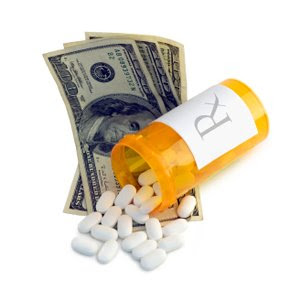
One of the great benefits of working at a full time job, is that often times your employer will provide health insurance. This insurance doesn't come free, most likely a portion of your salary is deducted to cover it's costs, however becuase you are under a company you can acheive greater discounts through group rates.
Health insurance is simply a type of insurance that will cover the insured person or part when that person or party become sick or injured,etc. The insurer is not always a private organization it can often times be a government agency. There are great differences between health care insurance around the world. For example in Canada health care is part of our social system and is public, where as in the United States health care is for the most part private.
There are several pros and cons to each system, and depending on the area in which you reside you might not have a choice as to which system that you choose. Private health insurance has become one of the most talked about and debated forms of insurance because of the impact that it places on the different levels of society, for example the poor, middle class, and wealthy. Should it be that a person with more money, is allowed to have better medical facilities and attention, and is it not that a services such as health care are a basic human right? I'm not sure if we will ever see an end to this debate, as there is soo many pros and cons to each side, and I'm sure that you can see who would be fighting for which side, and why.
Basic Facts About Health Insurance Policies In A Bad Economy
Labels: best health insurance, buying health insurance, cheap health insurance, cheapest health insurance | 1. DOES YOUR PLAN COVER YOU ON AND OFF THE JOB?
Many health insurance plans have specific exclusions that eliminate your benefits for anything that could have been covered under Workers Compensation or similar laws. Now read that last sentence again.
COULD HAVE BEEN COVERED!?
That is correct. Most self employed people and even some small business owners do not carry Workers Comp on themselves.
There are designed insurance plans that will cover you on and off the job — 24-hours a day, if you are not required by law to have Workers Compensation coverage.
2. ARE YOU WRITING IT OFF?
Independent contractors (1099's), home based business owners, professionals and other self employed people generally are not taking advantages of the tax laws available to them.
Many people who are paying 100% of their own costs are eligible to deduct their monthly insurance payments. Just that alone can reduce your net out-of-pocket costs of a proper plan by as much as 40%. Ask your accounting professional if you are eligible and/or check out the IRS website for more information.
3. INTERNAL LIMITSAll true insurance plans use some form of internal controls to determine how much they will pay out for a particular procedure or service. There are two basic methods.
-Scheduled Benefits
Many plans, some of which are specifically marketed to self employed and independent people, have a clear schedule of what they will pay per doctor office visit, hospital stay, or even limits on what they will pay for testing per 24-hr. period. This structure is usually associated with "Indemnity Plans". If you are presented with one of these plans, be sure to see the schedule of benefits, in writing. It is important that you understand these type of limits up front because once you reach them the company will not pay anything over that amount.
-Usual and Customary
"Usual and Customary" refers to the rate of pay out for a doctor office visit, procedure or hospital stay that is based on what the majority of physicians and facilities charge for that particular service in that particular geographical or comparable area. "Usual and Customary" charges represent the highest level of coverage on most major medical plans.
4.YOU HAVE THE ABILITY TO SHOP!
If you are reading this you, are probably shopping for a health plan. Every day people shop, for everything from groceries to a new home. During the shopping process, generally, the value, price, personal needs and general marketplace gets evaluated by the buyer. With this in mind, it is very disconcerting that most people never ask what a test, procedure or even doctor visit will cost. In this ever-changing health insurance market, it will become increasingly important for these questions to be asked of our medical professionals. Asking price will help you get the most out of your plan and reduce your out-of-pocket expenses.
5. NETWORKS AND DISCOUNTS
Almost all insurance plans and benefit programs work with medical networks to access discounted rates. In broad strokes, networks consist of medical professionals and facilities who agree, by contract, to charge discounted rates for services rendered. In many cases the network is one of the defining attributes of your program. Discounts can vary from 10% to 60% or more. Medical network discounts vary, but to ensure you minimize your out-of-pocket expenses, it is imperative that you preview the network's list of physicians and facilities before committing. This is not only to ensure that your local doctors and hospitals are in the network, but also to see what your options would be if you were to need a specialist.
Ask your agent what network you are in, ask if it is local or national and then determine if it meets your own individual needs.

 Posts
Posts

