 In 1996 "The Health Insurance Portability and Accountability Act" (HIPAA) was enacted by the U.S. Congress. The act was instated primarily to protect health insurance coverage for workers and their respective families when their is a loss or change of employment. This is outlined in Details in Title I of HIPAA Act. As in Title II of the act, the establishment of national standards for electronic health care transactions and national identifiers for the providers, employers and health insurance plans. Along with that is the addressing the importance on the security and privacy of all health data. These standards are meant to bog the system down, but rather to improve the efficiency and effectiveness of the entire national health care system by 'encouraging' the increased standards of using electronic data interchange in all health care.
The Health Insurance Portability & Accountability Act
Labels: health insurance for small businesses, health insurance premium, health insurance quote, health insurance unemployed, no health insurance, student health insurance |
Steps in choosing the best health plans
Labels: health insurance broker, health insurance costs, health insurance rates, individual health insurance, no health insurance, united health insurance |
Choosing a health plan which is the best could be a confusing experience. Although there is no one “best” plans, there are various plans accessible today in market that would be better than others for you and your family’s health insurance needs. In simple terms, however, rather that mere giving you the answers, the best thing we could do is to make sure you are ready with the right questions. The following questions could help you and your family to take intellectual decisions on choosing the best from various options available regarding health care.
There are three major things to be considered, each with their own exclusive set of questions. By considering the questions thoroughly, you would arrive at the right plan for you and your family
1.How affordable is the cost of health care?
• How much would it cost me on a monthly basis? • Should I try to insure only major medical expenses or cover most of my medical expenses? • Can I afford a policy that at least cares for my children? • Are there deductibles I should pay before the insurance begins to help cover my costs? • After I have met the deductible, what part of my costs is actually paid by the plan? • If I use doctors outside a plan's complex, how much more would I pay to get care? • How frequently do I visit the doctor and how much do I have to pay at each visit?
2.Do the integrated services match my needs (access of care)?
• What doctors, hospitals, and additional medical providers are parts of the plan? • Are there sufficient kinds of doctors I want to see? • Where would I go for care? Are these places near where I work or live? • Do I require getting permission before I see a medical specialist? • Are there any limits to how much I should pay in case of a major illness? • Does the plan cover up the expenses of delivering a baby?
3.Have people had good results when covered by a specific plan (quality of care)?
• How do self-governing government organizations rate the different plans? • What do my friends say about their understanding with a specific plan? • What does my doctor say about their knowledge with a specific plan?
Health Insurance: How We Can Make It Better
Labels: medical health insurance, no health insurance, online health insurance, private health insurance, self employed health insurance, temporary health insurance, united health insurance |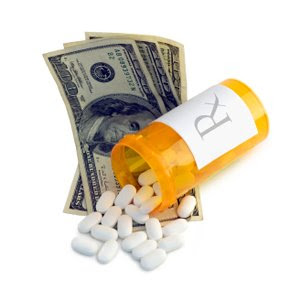 You almost have to take out a loan to pay for health insurance these days. Even if your company pays for half or more of your premium, a premium for a family still runs at least two to three hundred dollars a month. This is ridiculous, especially for people that do not visit the doctor very often. However, everyone is worried that if they do not have health insurance, then they will need it and they will not be able to get the help that they need, or they will get substandard healthcare because they do not have insurance. Many factors have surfaced over the years that cause health insurance to continue to stay on the rise.
One of the major problems that cause health insurance to continue to rise is the amount of frivolous malpractice lawsuits that are filed against doctors every year. Even if a doctor does not do anything wrong, they still have to pay the court costs, which usually are paid for out of their malpractice insurance. And if a doctor does make a mistake they can pay ten’s of millions of dollars in damages. All of this causes doctor’s to pay more for malpractice insurance, which translates into higher costs to their patient’s so they can continue to survive. One of the best ideas I have heard to help combat this problem, is legislature that puts a cap on monetary awards that are awarded for punitive damages in these lawsuits. Anything over the cap will be given to the state to help pay for schools, roads, and other things for the community. This will slow people down who want to sue just to get rich quick, but will still allow people to sue if a wrong has truly been committed.
Another major problem that causes health insurance problems is the ability of health insurance companies to get out of paying the full amount requested by a doctor. Health insurance companies rarely pay half of what a doctor’s office requests, so the doctor’s office usually has to eat the lost costs. This causes doctor’s offices to raise their prices to help shoulder the burden of these lost profits. An easy solution would be to implement some kind of regulations that would allow doctor’s offices to collect the full amount for a visit. These regulations would force health insurance companies to pay the amount that doctor’s charge, thus lowering the prices of doctor’s visits for all of their patients.
Alternatives To High Priced Health Insurance
Labels: individual health insurance plans, inexpensive health insurance, medical health insurance, no health insurance | Most Americans are struggling to afford health insurance. In just the past few years, the cost of buying health insurance for your family has skyrocketed. I was talking with an insurance agent recently, who told me it's not unusual at all for his clients to be paying $1,000 to $1,400 per month for their family to be covered.
I don't know many people who can easily afford those kinds of monthly insurance payments. Most who are paying them are making major sacrifices in other areas. The vast majority of Americans put health coverage very high on their list of priorities, so the other things that get left behind might surprise you. No question, the quality of life is far lower for many people now that they pay so much to be insured.
Meanwhile, many employers are cutting back their employees' insurance coverage. Professions that once paid all their employees' health insurance premiums -- like teachers and firefighters -- are finding the employee footing the bill for larger and larger portions of their insurance.
How are people coping? Many Americans simply don't have health insurance anymore. That's a big problem not only for families, who often put off going to the doctor, but also for society in general. People who hesitate buying medicine or seeing a doctor often end up very sick in hospital emergency rooms.
Others are simply reducing the amount of health insurance they have. They pay a larger portion of their doctor visits and prescription medicine costs. If you are a young adult, it may not make a lot of sense to pay huge insurance premiums to be covered for major illnesses that you are very unlikely to experience.
There are a growing number of health insurance plans that let you pick and choose the areas of coverage you want to pay for. While this practice was prohibited in many states, more and more places are seeing the wisdom and necessity of this approach.
Even more pressing than the cost of health insurance is the cost of buying prescription medicines. Many people simply can't afford the spiraling cost of the medicines they need. Others might insist, willingly lowering their standard of living just to afford overpriced medicine. The solution to this problem increasingly has nothing to do with insurance. Organizations use their large pool of members to negotiate big discounts on prescription drugs at thousands of chain and independent pharmacies nationwide. Typically you can save up to 60% off generic drugs and up to 15% off name-brand drugs.
This is a big advantage for the elderly, families, businesses, organizations, and anyone who wants to lower their cost of medicine. Additionally, some programs also cover medicine for your pets. If you often care for an ill animal, this can save you a lot of money over time.
Unlike insurance, discount drug programs are often very low cost or free. Pharmacies participate in the discount programs to encourage you to buy from them. It's a win-win for both you and the medical industry.

 Posts
Posts

